Ethical Husky Tourism: How to Choose a Responsible Safari in Finland
Choosing an ethical husky safari in Finland means selecting operators who are transparent about animal welfare, adhere to ethical guidelines for the dogs' entire lifecycle, and positively contribute to the local community. We partner exclusively with small, family-run husky farms that we personally know, ensuring the huskies are enthusiastic and healthy athletes who love
their work. This guide shares our insider knowledge on what to look for, the questions to ask, and the red flags to avoid when booking your own ethical husky safari in Finland, so that your experience is genuine and unforgettable.
What Defines an Ethical Husky Kennel?
An ethical operation views its dogs as partners and family members, not just assets. Their well-being is the top priority, both
during the busy winter season and the quieter summer months. Here are the key pillars of a responsible husky farm.
- Year-Round Care and Dog Lifecycle: The dogs' welfare extends far beyond the few hours they spend on the trail with you. A key sign of an ethical operator is their commitment to the dogs for their entire lives.
- Living Conditions: Kennels should be clean, spacious, and provide adequate shelter from the elements. Each dog needs its own space, like a doghouse, but also opportunities to socialise safely with other dogs. The Finnish Animal Welfare Act (693/2023) sets minimum legal standards for shelter, space, and care, including access to fresh water and appropriate facilities for sick or injured animals.
- Nutrition and Health: Sled dogs are high-performance athletes and require a specific, high-energy diet, especially during the pulling season. Ask the operator about their feeding program. The farm should have a regular relationship with a veterinarian for check-ups, vaccinations, and prompt treatment of any health issues.
- Retirement Plan: A crucial question is: what happens to the dogs when they are too old to pull a sled? Responsible kennels provide a 'retirement plan'. These older dogs either live out their days peacefully at the farm, often as beloved pets, or are re-homed to suitable families. They are never discarded.
- Summer Activities: The dogs need exercise and stimulation year-round. In summer, this can include free running in large enclosures, swimming, or participating in 'husky carting' on wheels before the snow arrives. A farm that keeps its dogs active and engaged in the off-season is a good sign.
Working Conditions and Team Management
Just like people, dogs need a healthy work-life balance. An ethical safari respects the dogs' capabilities and enthusiasm without
pushing them beyond their limits.
• Team Rotation: Operators should have enough dogs to rotate teams, ensuring no single dog is overworked. A team
might run one or two safaris a day and then get a day or two off to rest and recover.
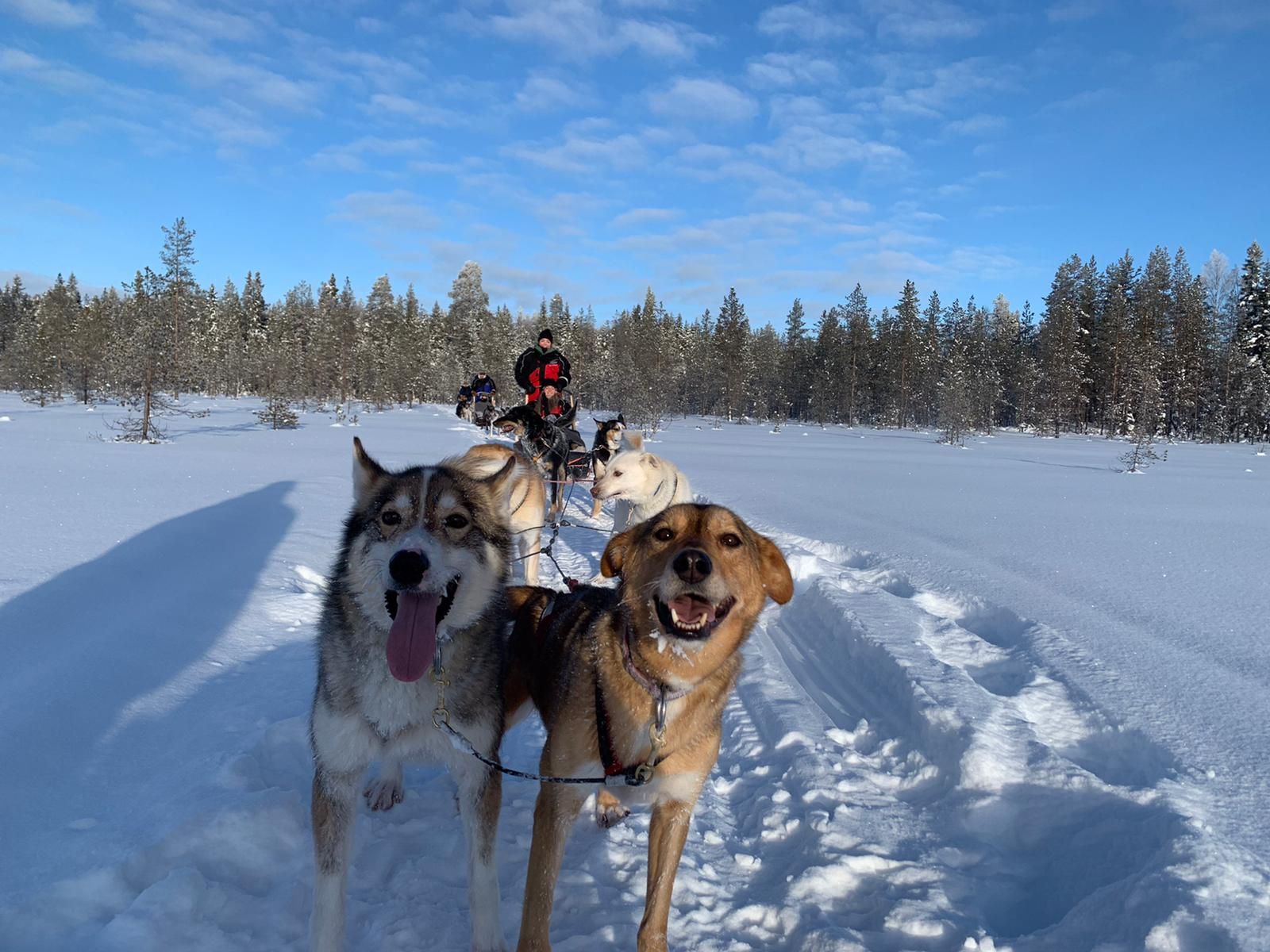
• Enthusiasm is Key: Watch the dogs before the safari begins. Are they excited, barking, and jumping with anticipation?
This is the clearest sign that they genuinely love to run. Lethargic or fearful dogs are a major red flag.
• Appropriate Distances: The length of the safari should be suitable for the dogs' fitness level, the team's experience,
and the weather conditions. Professional kennels will not run dogs in temperatures that are too warm or in other unsafe
conditions.
• Group Size: Smaller tour groups often mean a better, more personal experience for you and less stress for the animals. We prioritise small-group safaris, such as our 10 km husky safari from Pyhä or Luosto, which allows for a more intimate connection with the dogs and guides.
How to Identify and Vet a Responsible Operator
Doing a little research before you book can make all the difference. Here’s a practical checklist to help you find a truly ethical
husky safari in Finland.
1. Check for Transparency and Information
A responsible operator is proud of their animal welfare standards and will be open about them. Look at their website: do they
introduce their dogs by name? Do they share stories about their kennel's philosophy and how they care for their animals
year-round? A lack of information or vague statements about animal welfare can be a warning sign.
2. Ask Direct Questions
Don't be shy about contacting the operator and asking specific questions before you book. Their willingness to answer is a
good indicator of their transparency.
• "How many dogs do you have, and how do you ensure they all get enough rest?"
• "What is your policy for dogs that are retired from sledding?"
• "Can we meet the dogs and see the kennels during our visit?"
• "How do you train new sled dogs and leaders?"
Ethical operators will happily answer these questions. They want you to feel confident in their practices.
3. Look for Certifications and Partnerships
While there isn't one single mandatory 'ethical husky' certificate in Finland, there are national sustainability labels that include
animal welfare criteria. Look for companies that hold the Sustainable Travel Finland (STF) label. This programme requires
businesses to commit to ecological, social, and cultural sustainability. Another relevant certification is Green Activities, which
has specific, audited criteria for the welfare of animals used in tourism activities.
Partnerships with organisations like Responsible Travel are also a strong indicator that a tour company has been vetted for its
commitment to ethical practices.
4. Read Reviews with a Critical Eye
TripAdvisor and Google reviews can be helpful, but read them carefully. Look for comments that go beyond just "it was fun." Do
previous visitors mention the condition of the dogs? Do they describe the guides as knowledgeable and caring towards the
animals? Reviews that mention the cleanliness of the kennels or the enthusiastic behaviour of the dogs are particularly
valuable.
Your Safari, Your Impact
By choosing a responsible provider, you are not just buying an activity; you are becoming part of a sustainable system that
supports the well-being of these incredible animals. Your booking helps provide high-quality food, veterinary care, and a secure
future for the dogs, directly contributing to the local community that cares for them.
Whether you're looking for a short, two-hour taster ride or a multi-day husky adventure deep in the Finnish wilderness, your
choice matters. By asking the right questions and supporting operators who put their dogs first, you ensure your husky safari is
an ethical and truly magical experience.
Frequently Asked Questions
Is it better to drive the sled myself or sit as a passenger?
Most safaris are set up for two people per sled, where one person drives (stands on the runners) and the other sits. You can
usually switch places halfway. Driving is more active and engaging, while sitting lets you relax and enjoy the scenery. Both are
fine as long as you follow the guide's instructions carefully to ensure the safety of yourself and the dogs. Please note that taking
photos or videos while the sled is moving is not allowed, whether you are driving or sitting, as it is a serious safety risk. Keep
your hands on the sled and save the photos for when the sled has stopped and your guide says it is safe.
Are huskies treated well in Finland?
Finland has a strong legal framework for animal welfare, and the vast majority of husky safari operators are dedicated
professionals who love their dogs. However, as in any industry, standards can vary. That's why it is crucial for travellers to
actively choose operators who demonstrate a clear and transparent commitment to the highest welfare standards, going
beyond the legal minimums.
What is the best time of year for a husky safari?
The main season runs from late November to mid-April, when there is reliable snow cover, especially in Lapland. The coldest,
darkest months of December and January offer a magical 'kaamos' (polar night) experience, while February and March bring
more daylight and often stable, snowy conditions. Early winter and spring can also be fantastic times for a ride.
How can I verify an operator's ethical practices?
Look for transparency on their website, ask direct questions about dog care and retirement plans, and check for certifications
like Sustainable Travel Finland (STF) or Green Activities. Reading reviews that specifically mention dog welfare and kennel
conditions can also provide valuable insights.
What happens to retired sled dogs?
At a responsible kennel, retired dogs either stay at the farm for the rest of their lives or move to carefully chosen new homes.
Feel free to ask the operator how many retired dogs they currently look after – a clear, specific answer is a good sign.
Do huskies enjoy pulling sleds?
Yes, sled dogs like Alaskan and Siberian Huskies are bred to run, and pulling a sled in a team is a natural, instinctual behavior
they typically enjoy. An ethical operation ensures the dogs are enthusiastic and happy athletes.